


Burnt Pond Project (Newfoundland)
The Burnt Pond Project is a 975-hectare, road-accessible asset located in the Tally Pond Volcanic Belt in central Newfoundland.

The Burnt Pond Project is a 975-hectare, road-accessible asset located in the Tally Pond Volcanic Belt in central Newfoundland.

The project hosts volcanogenic massive sulphide (VMS) mineralization, with historical drilling returning an ultra-high-grade intercept of:
0.37 m grading 1.6 g/t Au, 791.1 g/t Ag, 0.79% Cu, 25.8% Zn, and 24.0% Pb (Reid, W. and Heerema, D., 2016)
This highlights the presence of significant polymetallic mineralization and adds complementary exposure to critical and industrial metals.
Reid, W. and Heerema, D. (2016). First Year Assessment Report, Prospecting Activities and Compilation, Burnt Pond Claim Group, NTS 12A/9. Prepared for GTA Resources and Mining Inc. Geological Survey No. 012A/09/1754.
Burnt Pond Project Highlights
Located in a Proven Newfoundland VMS Belt
The Burnt Pond Project is located in the Tally Pond volcanic belt of the Victoria Lake Supergroup, a highly prospective Volcanic Massive Sulphide (VMS) district that hosts Teck Resources Limited’s past-producing Duck Pond Copper-Zinc Mine, located approximately 10 km from the Burnt Pond Project.
Historical Ultra-High-Grade VMS Drill Intercept
Historical drilling at the Burnt Pond Project returned an intercept of 0.37 m grading 1.6 g/t Au, 791.1 g/t Ag, 0.79% Cu, 25.8% Zn and 24.0% Pb (Reid, W. and Heerema, D., 2016).
Reid, W. and Penney, G. (2011). Assessment Report of Prospecting Activities with Geological and Geophysical Compilations on Mineral Licenses of Red Wine Project, Letitia–Shallow Lake–Bessie Lake Areas, Labrador. Prepared for Rare Earth Metals Inc.
High-Grade System Open Along Strike and at Depth
Historical drilling confirms the mineralized system extends below surface, with mineralized intervals intersected from approximately 300 m to nearly 500 m downhole, yet the system has not been systematically tested along strike or at depth.
Strong Geological Setting for Additional VMS Discoveries
The Burnt Pond Project is underlain by altered felsic volcanic rocks with sulphide mineralization, chlorite alteration, graphitic horizons and Volcanic Massive Sulphide (VMS)-style stratigraphy, providing a favourable geological setting for additional discoveries.
Drill-Ready Target in an Active Newfoundland Mining Jurisdiction
The Burnt Pond Project benefits from road access, proximity to Grand Falls-Windsor and Millertown, and a straightforward exploration thesis focused on testing high-grade historical mineralization along strike and down dip.
The Burnt Pond Project is located approximately 30 km southwest of Grand Falls-Windsor and 16 km southeast of Millertown, with direct road access via regional infrastructure.
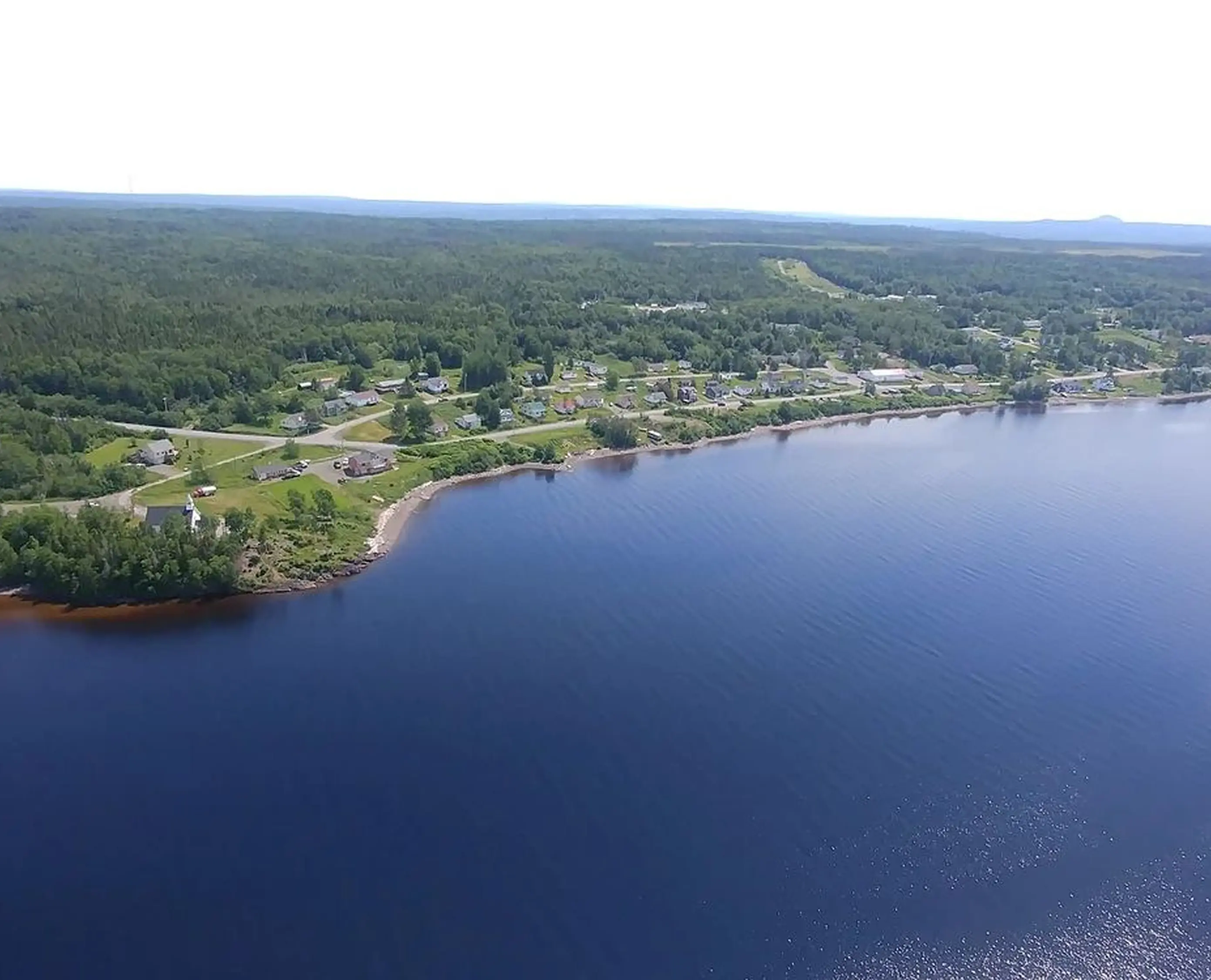
The project lies along trend and approximately 10 km from the past-producing Duck Pond Mine, within a belt that has seen over 40 years of exploration. Historical work by Noranda beginning in the 1970s led to the discovery of multiple Volcanic Massive Sulphide (VMS) systems in the region, including Burnt Pond, Boundary, and Duck Pond.
Exploration at Burnt Pond has included airborne and ground geophysics, geochemical surveys, geological mapping, trenching, and diamond drilling by operators including Noranda, Canadian Nickel, OroGrande Resources, and Volcanic Metals.
Drilling confirmed the presence of polymetallic Volcanic Massive Sulphide (VMS)-style mineralization, including intercepts of gold, silver, copper, zinc, and lead.
.webp)
Burnt Pond Historical Drilling
There remains a very high potential for the discovery of significant Volcanic Massive Sulphide (VMS)-style deposits both within the main Burn Pond horizon along strike and at depth.
Geological Setting
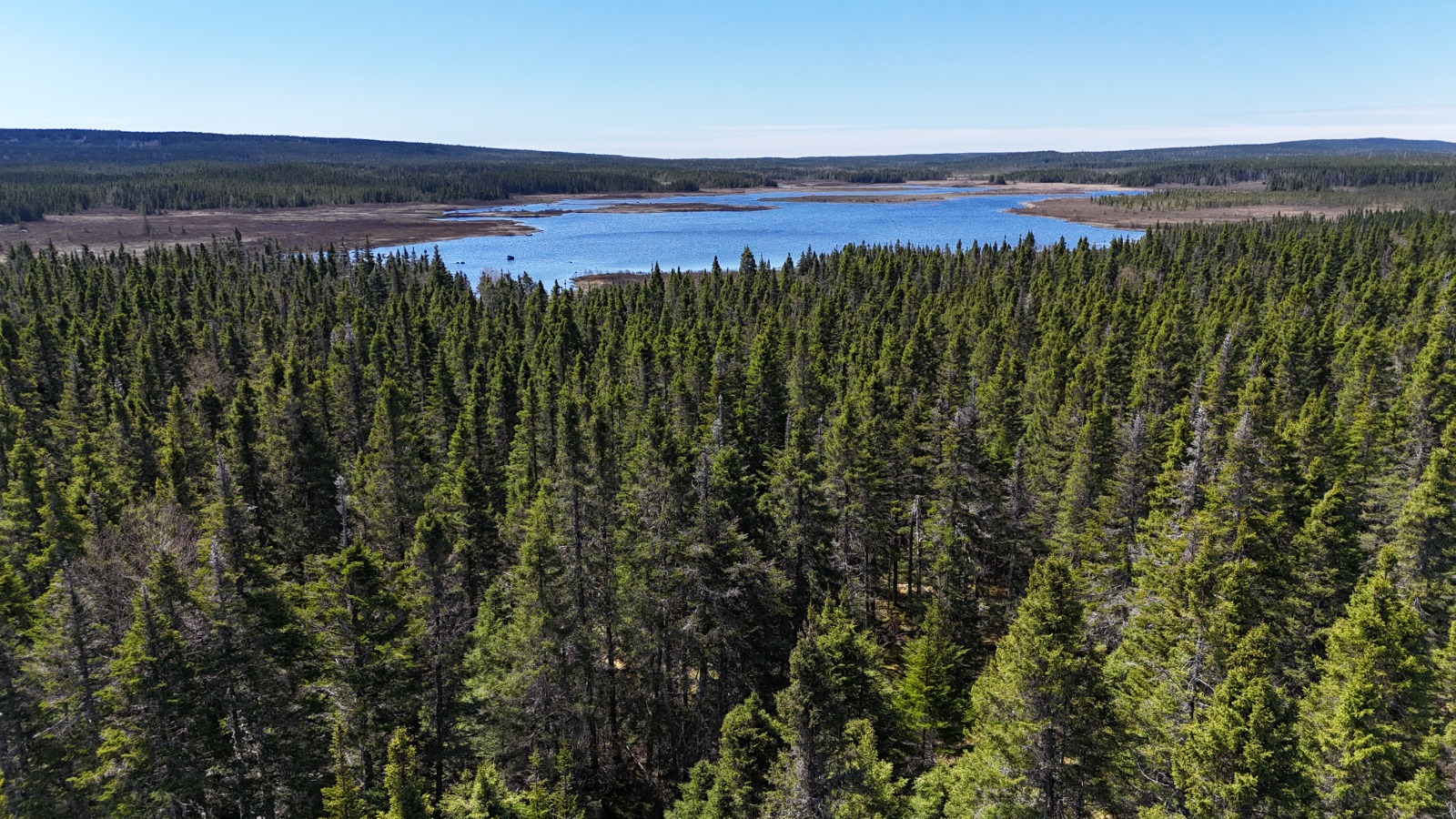
The project is hosted within the Victoria Lake Supergroup, a volcanic-sedimentary sequence highly prospective for Volcanic Massive Sulphide (VMS) deposits.
Key geological features include:
Altered felsic volcanic and volcaniclastic rocks
Interbedded mafic volcanic units
Graphitic horizons and rhyolite fragmental units
Semi-massive sulphide mineralization
Strong chlorite, carbonate, sericite, and silica alteration
This geological framework is consistent with classic Volcanic Massive Sulphide (VMS) systems, which are known globally for hosting high-grade, multi-metal deposits.
.jpeg)
Investment Thesis
Burnt Pond offers a compelling combination of:
Location in a proven, past-producing Volcanic Massive Sulphide (VMS) belt
Presence of polymetallic mineralization
Open-ended system with limited follow-up drilling
Strong geological indicators for additional discoveries
Excellent infrastructure and access
The project provides complementary exposure to critical and industrial metals, supporting electrification, infrastructure, and global supply chain demand.
Historical Drill Highlights
*Copper equivalent values are expressed as percentages and are calculated by converting gold and silver grades to copper equivalent using the stated metal prices and recoveries and summing these with the copper grade. CuEq values are provided for exploration comparison purposes only and should not be interpreted as an estimate of economic value.

This website contains forward-looking statements within the meaning of applicable securities laws. Forward-looking statements may include, but are not limited to, statements regarding the Company’s exploration plans, development objectives, future operations, market opportunities, and potential project outcomes. These statements are based on management’s current expectations, estimates, assumptions, and beliefs as of the date such statements are made. Forward-looking statements are subject to a variety of known and unknown risks, uncertainties, and other factors that could cause actual results, performance, or achievements to differ materially from those expressed or implied herein. Such factors include, without limitation, exploration and development risks, commodity price fluctuations, financing requirements, regulatory approvals, market conditions, and general economic, geopolitical, and industry-related risks. Readers are cautioned not to place undue reliance on forward-looking statements, as actual results may differ materially from those expressed or implied. Additional information regarding risks and uncertainties affecting the Company and technical information on Burnt Pond and Oculus Rare Earth are available in the Company’s public disclosure documents filed on SEDAR+ at www.sedarplus.ca. The Company undertakes no obligation to update or revise any forward-looking statements, except as required by applicable securities laws.
.svg)
.svg)